Why Sustainable Architecture Now Defines Premium Marbella Real Estate in 2026
Introduction: Sustainability as the New Benchmark of Luxury
The landscape of Sustainable Real Estate in Marbella is evolving rapidly as environmental priorities, regulatory frameworks, and buyer expectations converge. Across the Costa del Sol Luxury Property Market, sustainability has transitioned from a marketing differentiator to a core determinant of long-term value, operational efficiency, and resale liquidity.
In 2026, sustainability is not an added feature. It is a defining characteristic of premium real estate in Marbella and throughout southern Spain. Sustainable Real Estate Trends in Marbella now influence planning approvals, architectural design, construction methodologies, cost of ownership, financing conditions, and long-term asset performance.
Regulatory Framework: How Spain Is Raising the Bar
Energy Performance Certificates and Market Transparency
Spanish law requires all properties sold or rented to hold an Energy Performance Certificate (EPC), rating homes from A (highest efficiency) to G (lowest). In Marbella’s premium segment, A and high B ratings are increasingly standard in new builds, as buyers scrutinise operating costs and environmental impact.
For investors, strong EPC ratings translate into improved financing terms, stronger rental appeal, and greater resilience against tightening European regulations.
National and European Energy Directives
Spain’s Código Técnico de la Edificación (CTE DB-HE) establishes minimum standards for thermal performance, insulation, ventilation, and energy consumption. These standards have been strengthened to align with the European Union’s Energy Performance of Buildings Directive (EPBD), which targets near-zero energy buildings.
In Marbella, stricter planning oversight under updated urban frameworks prioritises environmental integration, density control, and landscape protection. Prime areas such as Sierra Blanca, Cascada de Camoján, and the Golden Mile now require a higher level of environmental discipline in new developments.
Buyer Behaviour: Sustainability as an Expectation
In 2026, sustainability is assumed at the upper tier of the Marbella Luxury Property Market. International buyers from Northern Europe, North America, and the Middle East expect energy-efficient systems, renewable integration, and climate-resilient design as baseline requirements.
Properties with solar energy systems, aerothermal heat pumps, advanced glazing, and superior insulation consistently achieve stronger demand and faster absorption than legacy stock with weaker performance profiles.
Passive Design: The Foundation of Sustainable Architecture
Climate-Responsive Orientation
The most effective sustainability strategies begin with architectural design rather than mechanical systems. Passive architecture optimises building orientation, natural ventilation, shading, and thermal mass to reduce reliance on energy-intensive cooling and heating.
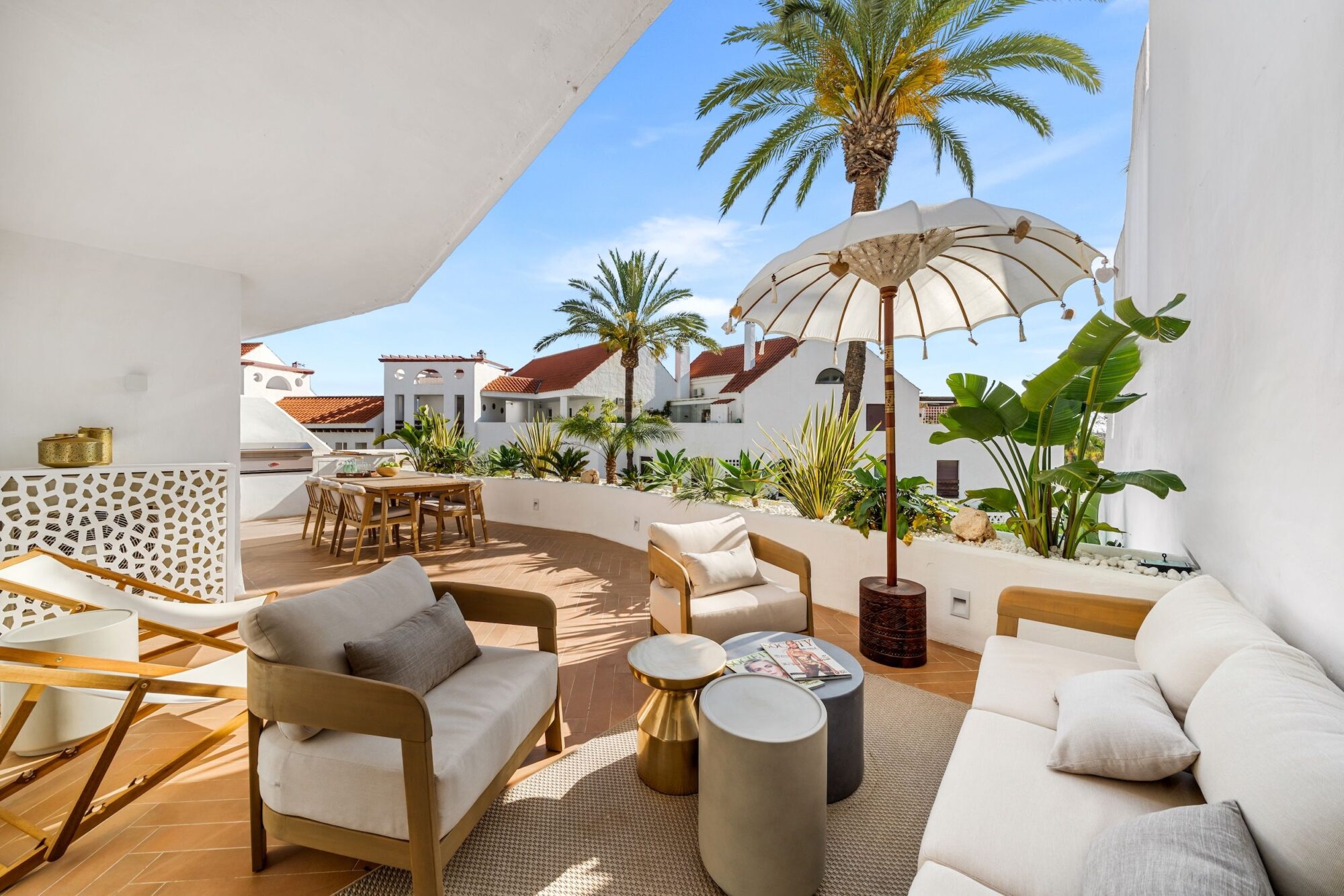
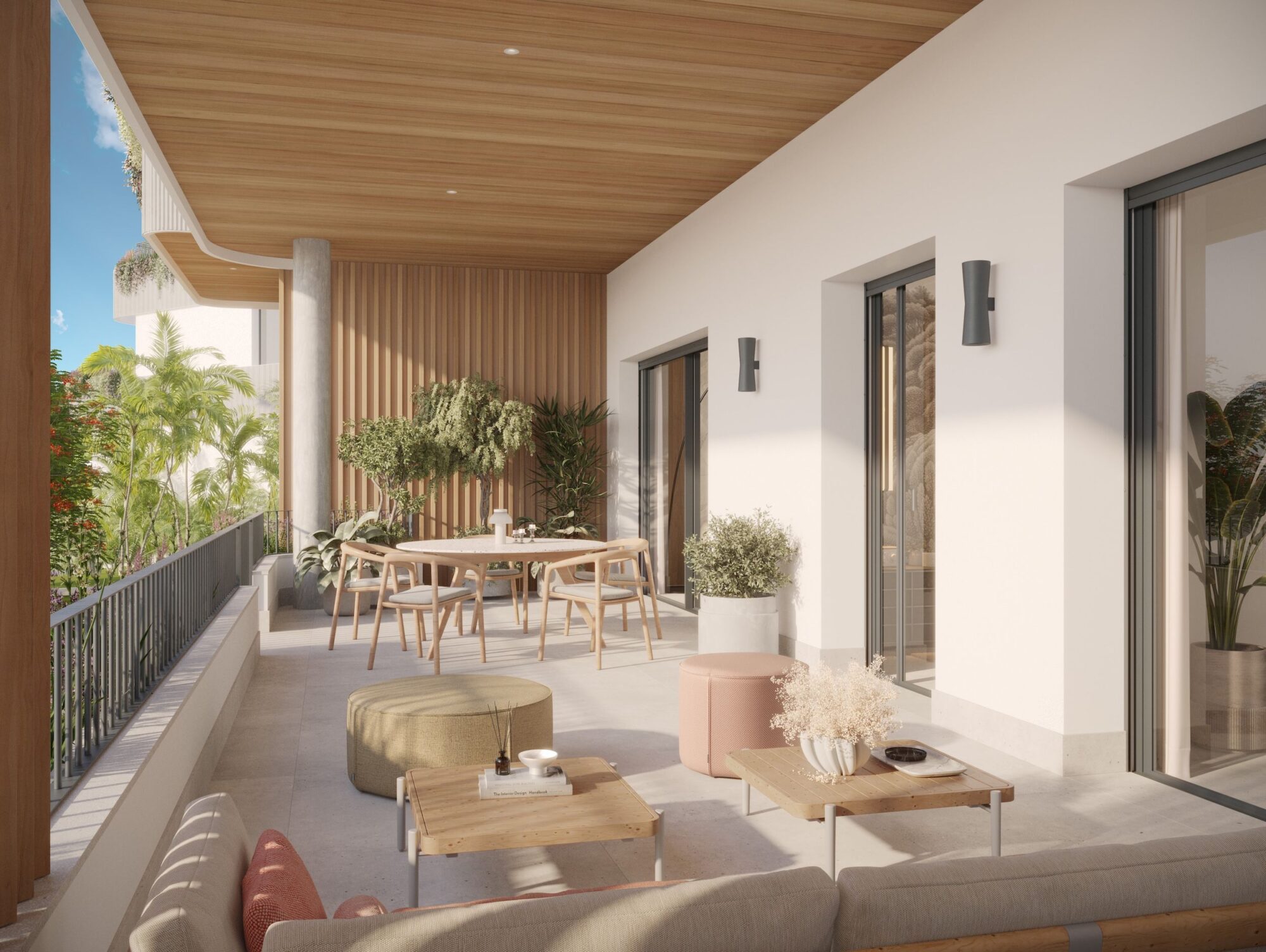
In Marbella’s Mediterranean climate, features such as deep terraces, pergolas, strategic glazing, and overhangs dramatically reduce cooling demand while preserving year-round comfort.
Architectural Elegance and Energy Performance
Passive design enhances both sustainability and aesthetics. Thoughtfully integrated shading systems and solar orientation not only reduce energy consumption but also elevate architectural coherence and long-term market positioning.
Advanced Energy Systems in 2026 Developments
Renewable Integration
Solar photovoltaic systems and aerothermal heat pumps are increasingly standard across new luxury villas and boutique developments. These systems provide efficient heating, cooling, and electricity generation while reducing dependence on grid energy.
Smart Energy Management
Smart home systems allow real-time monitoring of energy usage, automated HVAC scheduling, and remote property control. For international owners, these systems reduce operational costs while enhancing convenience and asset oversight.
Water Efficiency in a Semi-Arid Region
Rainwater and Greywater Systems
With Andalucía’s periodic drought cycles, water management has become central to sustainable architecture. Premium developments now incorporate rainwater harvesting and greywater recycling systems to irrigate landscaping efficiently.
Drought-Resistant Landscaping
Mediterranean-native planting schemes reduce water dependency while enhancing environmental integration. Swimming pools increasingly include covers and efficient filtration systems to minimise evaporation and waste.
Material Selection and Long-Term Durability
Coastal conditions demand materials that withstand humidity, salt air, and sun exposure. Developers increasingly favour natural stone, treated timber, low-VOC finishes, and high-performance glazing.
Locally sourced materials reduce transport emissions while supporting regional architectural identity. Durable finishes age gracefully, lowering long-term maintenance costs and supporting capital preservation.
Leading Examples of Sustainable Luxury
The View Marbella and Vista Lago Residences
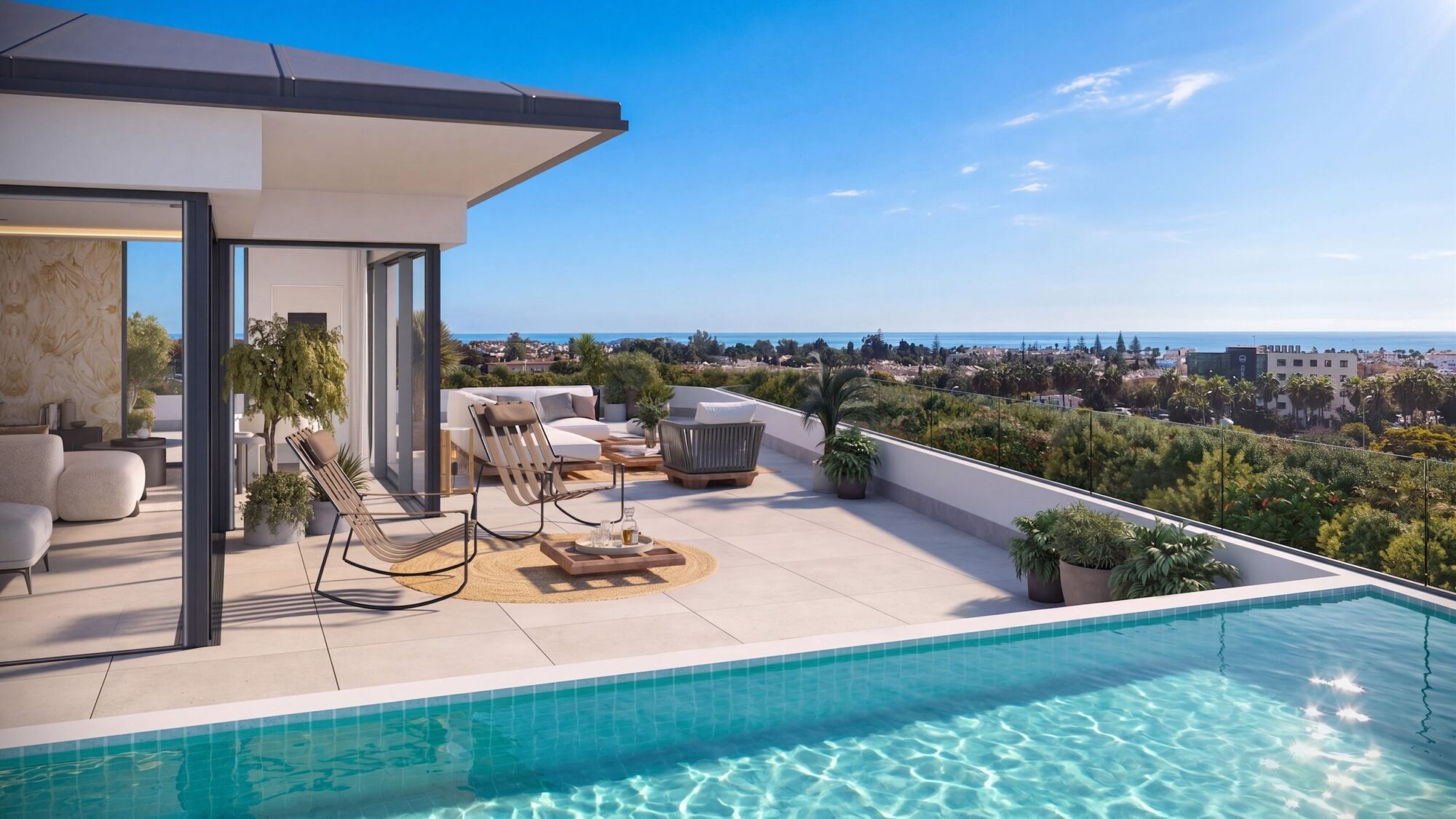
High-end projects such as The View Marbella and Vista Lago Residences exemplify integrated sustainability. These developments feature Class A energy ratings, solar installations, advanced insulation, and BREEAM-aligned design frameworks.
Villa Ayantam in Cascada de Camoján
Recognised as one of Spain’s most environmentally advanced villas, Villa Ayantam operates on onsite solar energy and integrates rainwater harvesting and native landscaping. It demonstrates how sustainability and ultra-prime luxury coexist seamlessly.
Boutique Apartment Projects and Shared Efficiency
Sustainability is not limited to standalone villas. Boutique apartment developments incorporate shared renewable systems, centralised heat pumps, and advanced building envelopes that improve efficiency across multiple residences.
These projects appeal to buyers seeking lock-up-and-leave convenience combined with strong environmental credentials.
Wellness Integration in Sustainable Design
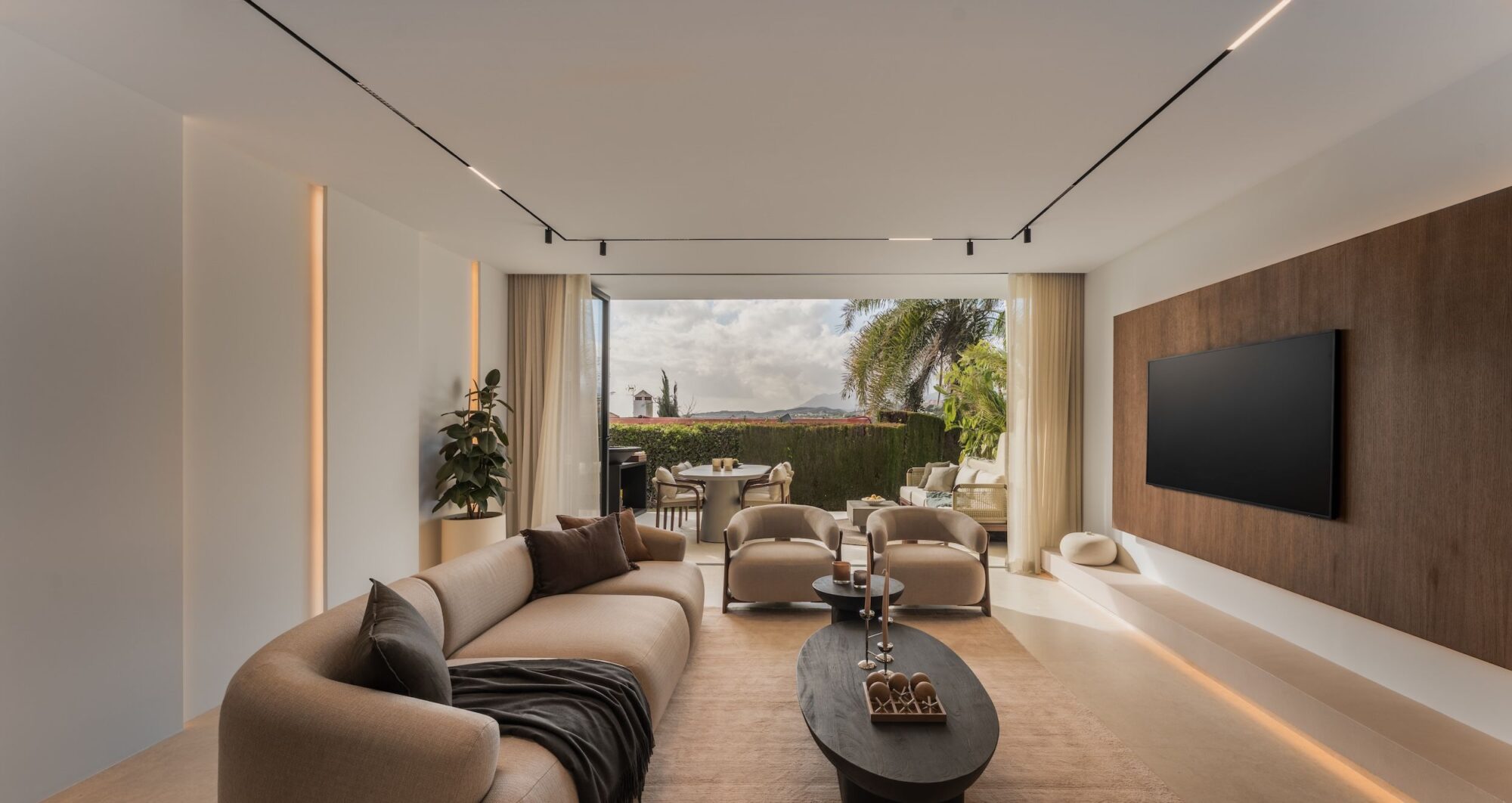
Sustainability increasingly overlaps with wellness. Abundant natural light, superior air filtration, acoustic comfort, and biophilic design contribute to healthier living environments.
Modern sustainable homes often include spa areas, private gyms, and spaces designed for rest and recovery, reflecting evolving lifestyle priorities.
Pricing and Resale Performance
Market data indicates that energy-efficient homes command pricing premiums and demonstrate stronger resale liquidity. A-rated properties attract broader buyer pools and mitigate risk associated with future regulatory tightening.
Although sustainable construction may increase initial development costs, lower operating expenses and higher demand translate into improved long-term performance.
Rental Market and Investment Performance
Energy-efficient properties perform strongly within Marbella’s rental market. Tenants prioritise comfort, low utility costs, and regulatory compliance, particularly in high-end short- and mid-term rental segments.
For investors pursuing Marbella Property Investment or Long-Term Property Investment, sustainable assets provide downside protection and enhanced capital preservation.
Smart Sustainability and Connected Living
In 2026, sustainable architecture and smart technology are inseparable. Integrated automation systems optimise energy use, manage water systems, and provide remote monitoring capabilities.
This convergence enhances both operational efficiency and owner confidence, particularly for globally mobile investors.
Marbella as a Leader in Sustainable Luxury
Marbella is emerging as a national leader in Sustainable Real Estate in Spain. The region’s climate, international buyer base, and architectural innovation create ideal conditions for high-performance residential design.
As environmental regulations tighten across Europe and buyer expectations continue to rise, sustainable architecture is defining what constitutes true premium real estate.
The Future of Luxury in Marbella
Sustainability is no longer a niche attribute within Marbella’s luxury property market. It is the structural foundation of future value.
Properties that integrate environmental performance, intelligent systems, and durable design will remain compliant, desirable, and competitive for decades. For investors and lifestyle buyers alike, sustainable architecture now represents the clearest pathway to long-term security within the Costa del Sol Luxury Property Market.
Schedule a ConsultationSources:
- European Commission – Energy Performance of Buildings Directive (EPBD)
- Official Journal of the European Union – Revised EPBD (2024)
- Ministerio para la Transición Ecológica y el Reto Demográfico (Spain)
- Código Técnico de la Edificación (CTE)
- Instituto Nacional de Estadística (INE) – Spain
- Junta de Andalucía – Sustainable Development & Urban Planning
- Ayuntamiento de Marbella – Urban Planning Department
- World Green Building Council
- International Energy Agency (IEA) – Buildings Sector
- PCC Sixth Assessment Report
- Diario Sur – Costa del Sol Real Estate & Urban Planning Coverage
- El País – Climate, Housing & Energy Policy
- Spain’s Official State Gazette (BOE) – Energy & Building Regulations

Carin Astrup - Real Estate Agent
Fluent in Swedish, English, Danish, and Norwegian, Carin Astrup works with an elite international clientele, expertly matching buyers and investors with some of Marbella’s most exclusive properties.
Ready to find your dream home or make a smart investment in Marbella? Contact Carin today for a private consultation and unlock access to the Costa del Sol’s finest properties.