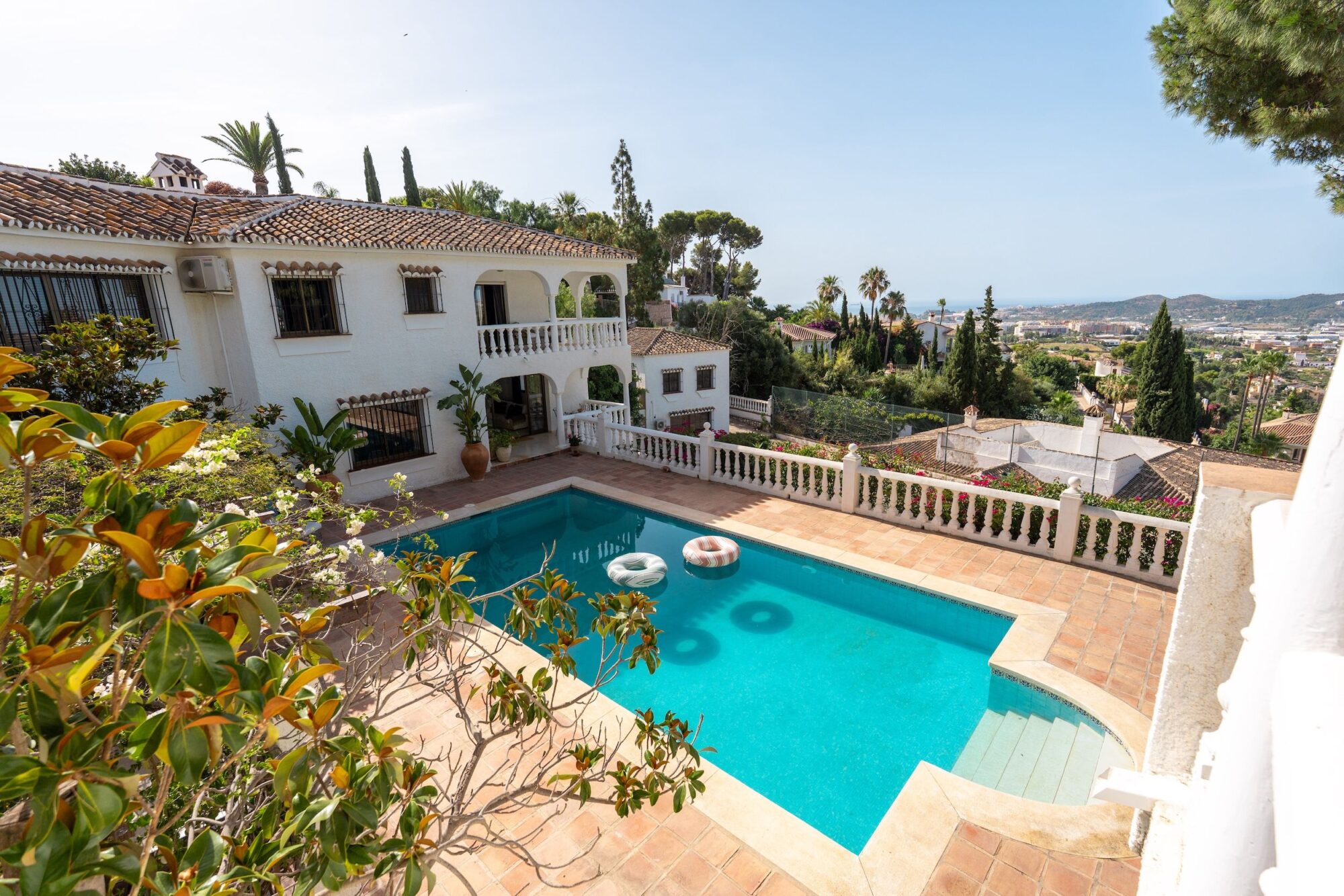
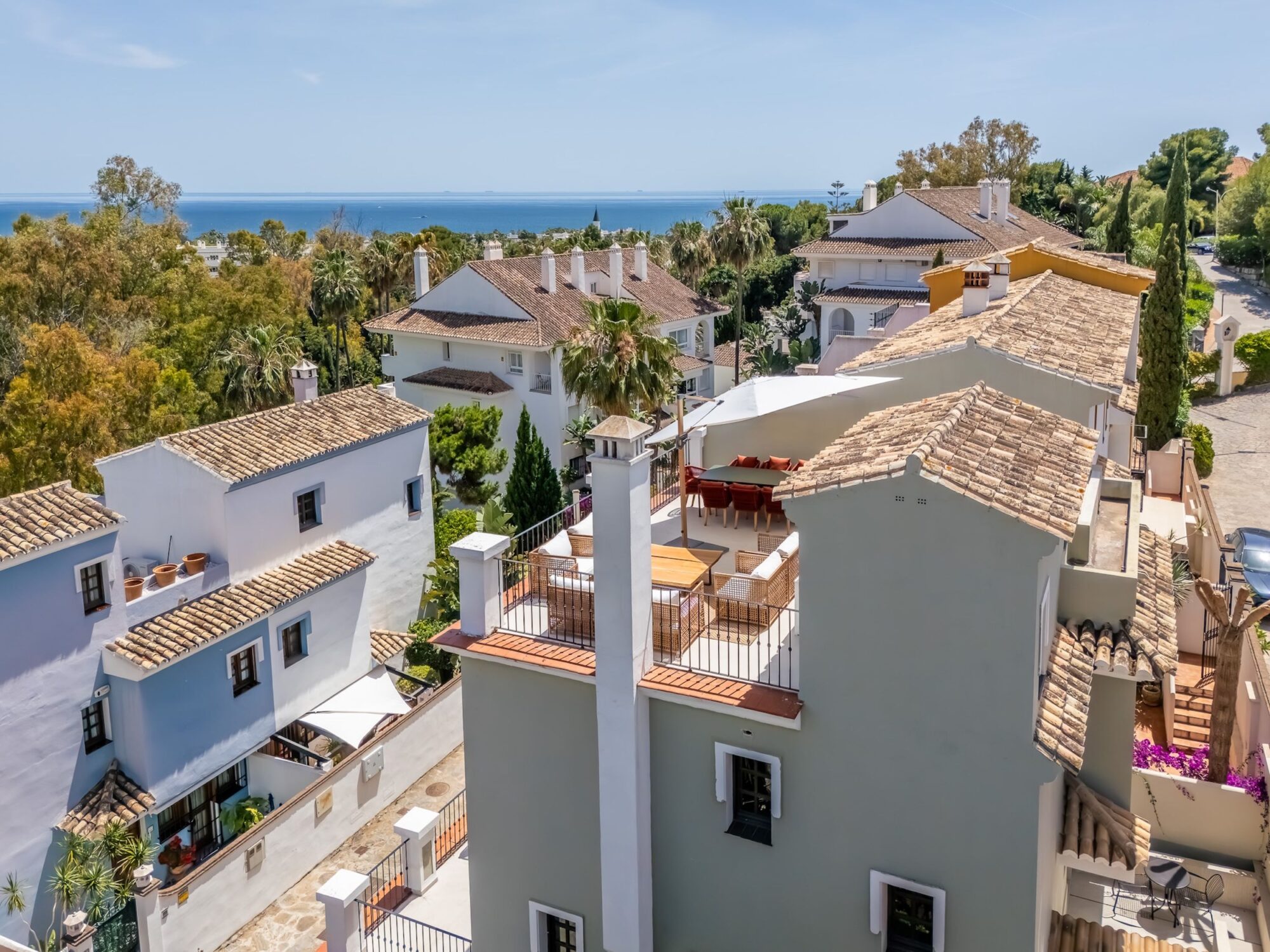
Retiring to Marbella has become an increasingly attractive option for international buyers seeking sunshine, security, lifestyle, and long-term value. Nestled on the Costa del Sol in southern Spain, Marbella offers a unique combination of Mediterranean living, modern infrastructure, world-class golf, excellent healthcare, and an international community that makes the transition into retirement far smoother than many expect.
For many retirees, the appeal goes beyond the climate. Marbella represents a lifestyle change. Mornings can begin with a walk along the promenade, afternoons can be spent enjoying golf or lunch by the sea, and evenings often revolve around relaxed dining with family and friends. At the same time, Marbella provides the practical foundations retirees need, including private healthcare, international airports, high-end property options, and year-round amenities.
Still, moving to Spain is a significant life decision. Understanding residency requirements, taxation, healthcare systems, property costs, and the realities of day-to-day living is essential before making the move.
This guide covers everything prospective retirees should know before relocating to Marbella, helping you plan with confidence and clarity.
Why Marbella Continues to Attract Retirees From Around the World
Marbella has evolved into one of Europe’s most desirable retirement destinations. While tourists often associate the area with luxury resorts and beach clubs, retirees tend to discover a much deeper appeal.
The region offers stability, convenience, and an exceptionally high quality of life. Spain consistently ranks among the healthiest countries in the world, and the Costa del Sol benefits from more than 300 days of sunshine annually. The climate is particularly attractive for retirees looking to enjoy an active outdoor lifestyle throughout the year.
Marbella also provides a balance many retirement destinations struggle to achieve. It feels vibrant and cosmopolitan while remaining relaxed and manageable. Unlike isolated retirement communities, Marbella is a fully functioning town with excellent restaurants, cultural activities, shopping, healthcare facilities, and international services.
Another key advantage is accessibility. Malaga Airport is less than an hour away and offers regular flights across Europe, the Middle East, and North America through major connecting hubs. This allows retirees to remain connected to children, grandchildren, and business interests abroad.
For those considering long-term property investment, Marbella’s real estate market has historically shown resilience compared to many seasonal resort destinations. Prime areas continue to attract international demand, which helps preserve long-term value.
Understanding Residency Requirements for Retiring in Spain
One of the first considerations for anyone planning retirement in Marbella is residency.
The process differs depending on nationality, particularly since Brexit changed the framework for UK citizens.
Residency for EU Citizens
Citizens of EU and EEA countries generally have a simpler process when relocating to Spain. While registration is still required for long-term stays, freedom of movement makes retirement relocation relatively straightforward.
EU citizens staying longer than three months typically need:
- Proof of sufficient income or financial means
- Private or public healthcare coverage
- A registered address in Spain
- An NIE number, which is the foreign identification number used for legal and financial activities
Once registered, retirees can access many public services and establish residency status.
Residency for UK and Non-EU Citizens
Non-EU citizens usually apply through Spain’s non-lucrative visa route if they are retiring without employment.
This visa is designed for individuals who can financially support themselves without working in Spain.
Applicants generally need:
- Proof of stable passive income, pensions, or savings
- Private healthcare insurance from an approved provider
- A clean criminal record
- Proof of accommodation in Spain
- Medical certificates confirming good health
The income thresholds change periodically, so working with a legal specialist before applying is strongly recommended.
After approval, retirees can live in Spain and renew residency over time. Long-term residency and eventually permanent residency may become possible depending on years spent in the country.
The Importance of the NIE Number
The NIE number is essential for daily life in Spain.
Retirees need it for:
- Buying property
- Opening bank accounts
- Setting up utilities
- Paying taxes
- Purchasing vehicles
- Accessing healthcare services
Obtaining the NIE early in the process can significantly simplify the relocation experience.
Healthcare in Marbella: Public and Private Options
Healthcare is often one of the most important considerations when planning retirement abroad.
Fortunately, Marbella and the wider Costa del Sol region offer excellent healthcare options.
Spain’s Public Healthcare System
Spain’s public healthcare system is widely regarded as one of the strongest in Europe.
Some retirees may qualify for public healthcare access depending on residency status, pension agreements, or social security arrangements between Spain and their home country.
Public hospitals and clinics provide high-quality care, although waiting times can vary for non-emergency procedures.
Why Many Retirees Choose Private Healthcare
Even when eligible for public healthcare, many retirees in Marbella choose private medical insurance.
Private healthcare offers several advantages:
- Faster access to specialists
- English-speaking doctors and staff
- Modern facilities
- Greater flexibility with appointments
- Access to international medical networks
Marbella is home to several respected private hospitals and clinics that cater heavily to international residents.
Healthcare costs are often lower than those in countries such as the United States, while maintaining a high standard of care.
Prescription Costs and Ongoing Care
Spain’s pharmacy system is highly accessible, with pharmacies located throughout Marbella and surrounding areas.
Many prescription medications are more affordable than in Northern Europe or North America.
Retirees managing long-term conditions should still review:
- Prescription availability
- Insurance coverage
- Existing medical records
- Specialist access
- Language considerations with doctors
Planning healthcare carefully before relocating helps ensure continuity of care.
Cost of Living in Marbella
Marbella is often perceived as expensive, and while prime luxury areas certainly command premium prices, the overall cost of living can vary significantly depending on lifestyle choices.
Compared with major cities such as London, New York, Geneva, or Stockholm, many retirees find Marbella offers strong value relative to lifestyle quality.
Housing Costs
Property prices vary widely by location.
Prime areas such as the Golden Mile, Sierra Blanca, and beachfront developments command some of the highest prices in Spain.
However, retirees can still find excellent value in areas including:
- Nueva Andalucía
- San Pedro de Alcántara
- Elviria
- La Quinta
- Benahavís
- East Marbella
Apartments are often easier to maintain for retirees seeking lock-and-leave convenience, while villas remain popular among buyers prioritising privacy and outdoor space.
Property-related expenses may include:
- Community fees
- Property taxes
- Utilities
- Home insurance
- Maintenance and gardening
- Security services
Everyday Living Expenses
Outside of housing, many day-to-day costs remain reasonable.
Local produce, dining, wine, and services can be significantly more affordable than in Northern European capitals.
Retirees who embrace local shopping habits often discover excellent value.
Dining out is deeply embedded in Spanish culture, and Marbella offers options ranging from casual beachfront chiringuitos to Michelin-starred restaurants.
Utilities and Energy Costs
Energy prices in Spain can fluctuate, particularly during peak summer and winter periods.
Retirees purchasing larger villas should consider:
- Air conditioning expenses
- Pool maintenance
- Solar energy options
- Insulation quality
- Smart energy systems
New-build properties often provide greater energy efficiency compared to older homes.
Choosing the Right Area of Marbella for Retirement
One of Marbella’s strengths is the diversity of neighbourhoods available.
Different areas suit different retirement lifestyles.
The Golden Mile
The Golden Mile remains one of Marbella’s most prestigious residential areas.
Stretching between Marbella town and Puerto Banús, it offers:
- Luxury villas and apartments
- Beach proximity
- Fine dining
- High-end security
- Easy access to amenities
This area is ideal for retirees seeking convenience, luxury, and walkability.
Nueva Andalucía
Known as Golf Valley, Nueva Andalucía is particularly popular with international residents.
The area offers:
- Golf course communities
- Spacious apartments and villas
- Excellent restaurants
- International schools and services
- Proximity to Puerto Banús
Many retirees appreciate the quieter residential atmosphere while remaining close to social activity.
San Pedro de Alcántara
San Pedro has become increasingly attractive for retirees looking for a more authentic Spanish environment.
Benefits include:
- A walkable town centre
- Excellent beachfront promenade
- Lower property prices than the Golden Mile
- Strong local community feel
- Good access to Marbella and Estepona
The area blends modern development with traditional Andalusian character.
Benahavís
Located slightly inland, Benahavís is known for its natural surroundings, golf resorts, and privacy.
It appeals to retirees seeking:
- Scenic mountain views
- Tranquility
- Larger properties
- Gated communities
- Access to golf and nature
The village itself is also famous for gastronomy and Andalusian charm.
East Marbella
Areas such as Elviria and Los Monteros provide a more relaxed coastal environment.
Retirees often choose East Marbella for:
- Sandy beaches
- Lower density development
- Green surroundings
- Family-friendly atmosphere
- Strong beach club and dining options
East Marbella can offer excellent value compared to central prime areas.
Buying Property in Marbella as a Retiree
For many retirees, purchasing property in Marbella represents both a lifestyle decision and a long-term investment.
Understanding the buying process is essential.
The Property Buying Process in Spain
Spain’s property purchase system differs slightly from those in Northern Europe and North America.
A typical transaction involves:
- Reserving the property
- Conducting legal due diligence
- Signing a private purchase contract
- Completing before a notary
- Registering ownership
Using an experienced independent lawyer is strongly recommended.
Legal due diligence should confirm:
- Ownership status
- Building permissions
- Outstanding debts
- Community obligations
- Planning compliance
- Land registry accuracy
Additional Purchase Costs
Retirees should budget for additional acquisition costs beyond the purchase price.
These may include:
- Transfer tax or VAT
- Notary fees
- Legal fees
- Land registry costs
- Mortgage-related fees if financing is used
Additional costs often total approximately 10 to 13 percent depending on the property type.
New Builds Versus Resale Properties
Many retirees are increasingly drawn to modern new-build developments.
Advantages often include:
- Better energy efficiency
- Contemporary layouts
- Smart home systems
- Lower maintenance requirements
- Resort-style amenities
- Enhanced security
Resale homes, however, may offer larger plots, mature gardens, and more established locations.
The best choice depends on personal priorities and lifestyle goals.
Marbella Real Estate Market Trends and Retirement Demand
Recent Marbella real estate trends continue to reinforce why the region remains one of the strongest retirement destinations in southern Europe. According to data published by Spain’s National Statistics Institute, international demand across the Costa del Sol has remained resilient despite wider economic uncertainty in Europe.
One of the main drivers behind the Marbella property market is the combination of lifestyle and long-term investment stability. Buyers relocating from the UK, Scandinavia, Germany, the Netherlands, Belgium, and North America continue to see Marbella as a secure place to preserve wealth while improving quality of life.
This sustained demand has also influenced Marbella real estate pricing in key retirement areas such as the Golden Mile, Nueva Andalucía, and beachfront East Marbella. Modern developments with wellness facilities, concierge services, and energy-efficient construction are attracting particular interest from retirees seeking low-maintenance luxury living.
The Costa del Sol luxury property market has also benefited from changing retirement priorities since the pandemic. Many buyers now place greater importance on outdoor space, climate, health, walkability, and home technology.
Examples of recent market shifts include:
- Increased demand for lock-and-leave luxury apartments
- Growing interest in gated communities with security
- Higher buyer demand for sustainable real estate in Marbella
- Strong appetite for modern villas with wellness amenities
- Rising interest in smart homes in Marbella real estate
Retirees are increasingly focused on long-term comfort rather than purely seasonal use. This has contributed to stronger year-round occupancy levels and continued foreign investment in Marbella real estate.
Climate and Property Demand on the Costa del Sol
Climate plays a major role in long-term property demand across southern Spain.
The Costa del Sol’s mild winters and warm Mediterranean climate are not simply lifestyle benefits. They directly influence property values and long-term market resilience.
Studies connected to European retirement migration patterns consistently show that climate remains one of the leading motivations for relocation after retirement.
For many international buyers, Marbella offers:
- More than 300 days of sunshine annually
- Outdoor living throughout the year
- Lower heating requirements than Northern Europe
- Improved opportunities for active ageing
- Greater access to social outdoor activities
Climate and property demand in Costa del Sol markets are closely connected. Areas with strong lifestyle infrastructure, healthcare access, golf communities, and beach proximity continue to outperform less established resort destinations.
This ongoing demand has strengthened Marbella housing market outlook projections in recent years, particularly in prime retirement locations.
Tax Considerations When Retiring to Spain
Tax planning is one of the most important areas to address before moving to Marbella.
Retirees should always seek specialist cross-border tax advice.
Spanish Tax Residency
Individuals generally become tax residents in Spain if they spend more than 183 days per year in the country.
Spanish tax residents may be liable for taxation on worldwide income.
This can include:
- Pension income
- Rental income
- Investment income
- Capital gains
- Overseas assets
Double taxation agreements between Spain and many countries help prevent income from being taxed twice.
Wealth Tax and Solidarity Tax
Spain applies wealth taxation in certain situations.
Andalusia has implemented significant changes to regional wealth tax rules in recent years, but regulations can evolve.
Retirees with substantial assets should obtain tailored advice regarding:
- Wealth tax exposure
- Asset structuring
- Inheritance planning
- International pension treatment
- Reporting obligations
Inheritance and Succession Planning
Spain’s inheritance rules differ from those in many Anglo-Saxon jurisdictions.
Retirees purchasing property in Marbella should review:
- Spanish wills
- Cross-border estate planning
- Forced heirship rules
- Tax implications for beneficiaries
Proactive planning can prevent future legal complications for family members.
Banking and Financial Planning in Spain
Opening a Spanish bank account is typically necessary for day-to-day living.
Most property purchases and utility payments are managed through local banking systems.
What You Need to Open a Bank Account
Requirements generally include:
- Passport
- NIE number
- Proof of address
- Proof of income or pension
Many banks in Marbella offer English-speaking services tailored to international residents.
Currency Exchange Considerations
Retirees transferring funds internationally should carefully monitor exchange rates and transfer costs.
Currency fluctuations can significantly impact retirement budgets over time.
Specialist foreign exchange providers often offer better rates than traditional retail banks.
Pension Transfers and Financial Advice
International pension structures can become complex after relocating to Spain.
Professional advice is particularly important regarding:
- Pension taxation
- QROPS or overseas pension arrangements
- Drawdown strategies
- Healthcare budgeting
- Estate planning
Financial structures that worked effectively in a home country may require adjustment after becoming a Spanish resident.
Daily Life and Lifestyle in Marbella
Retirement is ultimately about lifestyle, and this is where Marbella truly excels.
The area offers a pace of life that encourages outdoor living, social interaction, and wellness.
Climate and Outdoor Living
Marbella’s microclimate is one of its biggest attractions.
Protected by the Sierra Blanca mountains, the region experiences mild winters and warm summers.
Retirees often enjoy year-round outdoor activities such as:
- Golf
- Tennis and padel
- Walking and hiking
- Cycling
- Sailing
- Swimming
- Beachfront dining
The ability to remain active outdoors throughout the year is a major reason many retirees experience improved wellbeing after relocating.
Food and Dining Culture
Spanish dining culture differs from many Northern European routines.
Meals are generally slower, more social, and focused on fresh ingredients.
Marbella’s culinary scene is highly diverse, offering:
- Traditional Andalusian cuisine
- International fine dining
- Seafood restaurants
- Organic cafés
- Beach clubs
- Michelin-starred experiences
Fresh produce markets are also widely available throughout the Costa del Sol.
Social Life and International Community
One reason Marbella appeals strongly to retirees is its international population.
Residents from across Europe, the Middle East, North America, and Scandinavia have established communities throughout the region.
This creates:
- International social clubs
- Golf communities
- Charity organisations
- Language exchange groups
- Cultural associations
- Networking opportunities
Retirees often find it relatively easy to build new friendships and social routines.
Learning Spanish and Integrating Locally
Although English is widely spoken in Marbella, learning Spanish can greatly improve the retirement experience.
Even basic conversational Spanish helps with:
- Daily interactions
- Administrative tasks
- Healthcare appointments
- Cultural integration
- Building local relationships
Many retirees enjoy taking language classes as part of their new lifestyle.
Transport and Getting Around
Marbella does not currently have a train station, so transport planning matters.
Driving in Marbella
Many retirees choose to drive due to the convenience of accessing golf courses, shopping areas, beaches, and nearby towns.
Spain’s road infrastructure is generally excellent.
Depending on nationality, retirees may eventually need to exchange their driving licence for a Spanish one.
Public Transport and Taxis
Marbella has reliable bus connections linking nearby towns and Malaga Airport.
Taxi and ride-hailing services are also widely available.
For retirees living centrally, walking can often replace much day-to-day driving.
Access to International Travel
Malaga Airport is one of southern Europe’s busiest international airports.
This makes visiting family abroad or welcoming guests relatively easy.
Direct flights to many major European cities are available year-round.
Safety and Security in Marbella
Safety is another reason many retirees feel comfortable moving to Marbella.
While no location is entirely without crime, Marbella’s prime residential communities often feature:
- Gated access
- Private security
- Surveillance systems
- Concierge services
- Controlled entry points
Spain overall is considered one of the safer countries in Europe.
Retirees frequently comment on feeling secure walking around Marbella’s promenades, restaurants, and town centres.
Seasonal Differences and Tourism
Prospective retirees should understand that Marbella changes throughout the year.
Summer brings:
- Increased tourism
- Higher traffic levels
- Busy beaches and restaurants
- More social events and nightlife
Winter is quieter while still remaining active compared with many Mediterranean destinations.
Many retirees appreciate this seasonal rhythm, enjoying the energy of summer and the calmer atmosphere of winter.
Unlike purely seasonal resort towns, Marbella remains functional and lively year-round.
Common Challenges Retirees Should Prepare For
Relocating internationally always involves adjustments.
Being realistic about potential challenges helps retirees adapt more smoothly.
Bureaucracy and Administration
Spanish bureaucracy can sometimes feel slow or complex.
Processes involving:
- Residency
- Banking
- Vehicle registration
- Healthcare registration
- Tax administration
may take longer than expected.
Working with reputable local professionals often makes the process significantly easier.
Language Barriers
While Marbella is international, some administrative procedures still operate primarily in Spanish.
Retirees who prepare for this in advance generally adapt more comfortably.
Adapting to Cultural Differences
Spanish culture often prioritises flexibility, social interaction, and later daily schedules.
Shopping hours, meal times, and business practices may differ from what retirees are used to.
Most residents eventually embrace these lifestyle differences and find them part of Marbella’s charm.
Healthcare Insurance Requirements for Residency Applications
Private health insurance is usually mandatory for non-lucrative visa applicants.
Policies generally need to:
- Provide full coverage in Spain
- Exclude co-payments in many cases
- Be issued by approved providers
- Cover pre-existing conditions where possible
Choosing the right insurer is an important part of relocation planning.
Retirees should compare:
- Coverage levels
- Hospital networks
- Specialist access
- Emergency care
- Language support
Renting Before Buying in Marbella
Some retirees choose to rent initially before purchasing property.
This approach offers several advantages.
Understanding Different Areas Firsthand
Marbella’s neighbourhoods can feel very different in practice.
Renting allows retirees to experience:
- Seasonal changes
- Traffic patterns
- Community atmosphere
- Walking accessibility
- Noise levels
- Lifestyle suitability
before committing to a purchase.
Flexibility During Residency Applications
Renting may also simplify the transition period while residency applications, banking arrangements, and tax planning are finalised.
The Rental Market in Marbella
Long-term rentals in prime areas can be competitive, particularly for quality modern properties.
Working with a reputable local agency helps secure suitable accommodation.
Healthcare and Wellness Lifestyle Benefits
Many retirees relocate to Marbella not simply for relaxation, but to improve long-term health and wellbeing.
The Mediterranean lifestyle supports healthier routines in several ways.
Active Living
Marbella naturally encourages movement.
Promenades, golf courses, beaches, and outdoor sports facilities create opportunities for regular physical activity.
This often contributes positively to:
- Cardiovascular health
- Mobility
- Mental wellbeing
- Social interaction
- Stress reduction
Mediterranean Diet
Fresh seafood, olive oil, vegetables, fruit, and locally sourced ingredients form the foundation of Mediterranean cuisine.
Many retirees find dietary habits improve naturally after relocating.
Mental Wellbeing
Sunshine, social culture, outdoor living, and slower routines can positively influence overall mental wellbeing.
Retirement in Marbella often feels less isolated than retirement in colder or more suburban environments.
Golf and Leisure Opportunities
The Costa del Sol is often referred to as the Costa del Golf for good reason.
The region offers one of Europe’s highest concentrations of golf courses.
Popular golf communities attract retirees seeking both sport and social connection.
Courses around Marbella and nearby areas include:
- Las Brisas
- Aloha Golf
- Los Naranjos
- Marbella Club Golf Resort
- La Quinta Golf
- Finca Cortesin
Golf is not simply a pastime in Marbella. It is often a central part of the social and lifestyle experience.
Beyond golf, retirees also enjoy:
- Yacht clubs
- Wellness retreats
- Tennis academies
- Hiking trails
- Cultural excursions
- Day trips across Andalusia
Family Visits and Multigenerational Appeal
Another major advantage of Marbella retirement is its appeal to visiting family.
Children and grandchildren often enjoy spending time in Marbella due to:
- Beaches
- Family-friendly restaurants
- Outdoor lifestyle
- International atmosphere
- Luxury hotels and resorts
- Entertainment options
This can strengthen family relationships and encourage more frequent visits.
Many retirees ultimately choose properties with guest accommodation specifically to host extended family throughout the year.
Internet, Connectivity, and Modern Infrastructure
Modern retirees increasingly prioritise strong digital infrastructure.
Marbella performs well in this regard.
High-speed fibre internet is widely available in most residential areas, including luxury developments.
This supports:
- Remote communication with family
- Streaming services
- Online banking
- Investment management
- Remote consulting work where permitted
Modern developments often include advanced smart-home technology and integrated security systems.
Education and International Environment
Although retirees may no longer require schools personally, Marbella’s international educational environment contributes to the overall quality of the community.
The area’s strong international school network attracts affluent families and long-term residents from around the world.
This helps sustain:
- International services
- Diverse dining options
- Year-round activity
- Strong property demand
- Cosmopolitan culture
For retirees with grandchildren visiting regularly, Marbella’s family-friendly atmosphere is often particularly attractive.
Is Marbella the Right Retirement Destination for You?
Retiring to Marbella offers many advantages, but it is not a one-size-fits-all destination.
The lifestyle best suits retirees who value:
- Mild year-round climate
- Outdoor living
- International community
- High-quality healthcare
- Luxury amenities
- Active social life
- Property investment potential
- Mediterranean culture
Those seeking complete isolation or extremely low-cost retirement living may find other locations more suitable.
However, for buyers looking to combine lifestyle, comfort, accessibility, and long-term property value, Marbella remains one of Europe’s strongest retirement destinations.
Careful planning is essential. Residency, taxation, healthcare, legal matters, and financial structuring should all be addressed before relocating.
Working with experienced local professionals can make the transition significantly smoother and help retirees avoid common mistakes.
For many international buyers, retirement in Marbella ultimately becomes about more than climate or real estate. It becomes an opportunity to create a healthier, more social, and more fulfilling next chapter of life on the Costa del Sol.
Get more information on Renting, Buying and Selling in Marbella in our Resources and Guides: https://caestatesmarbella.com/guides/investors-guide/
Schedule a ConsultationSources:

Carin Astrup - Real Estate Agent
Fluent in Swedish, English, Danish, and Norwegian, Carin Astrup works with an elite international clientele, expertly matching buyers and investors with some of Marbella’s most exclusive properties.
Ready to find your dream home or make a smart investment in Marbella? Contact Carin today for a private consultation and unlock access to the Costa del Sol’s finest properties.